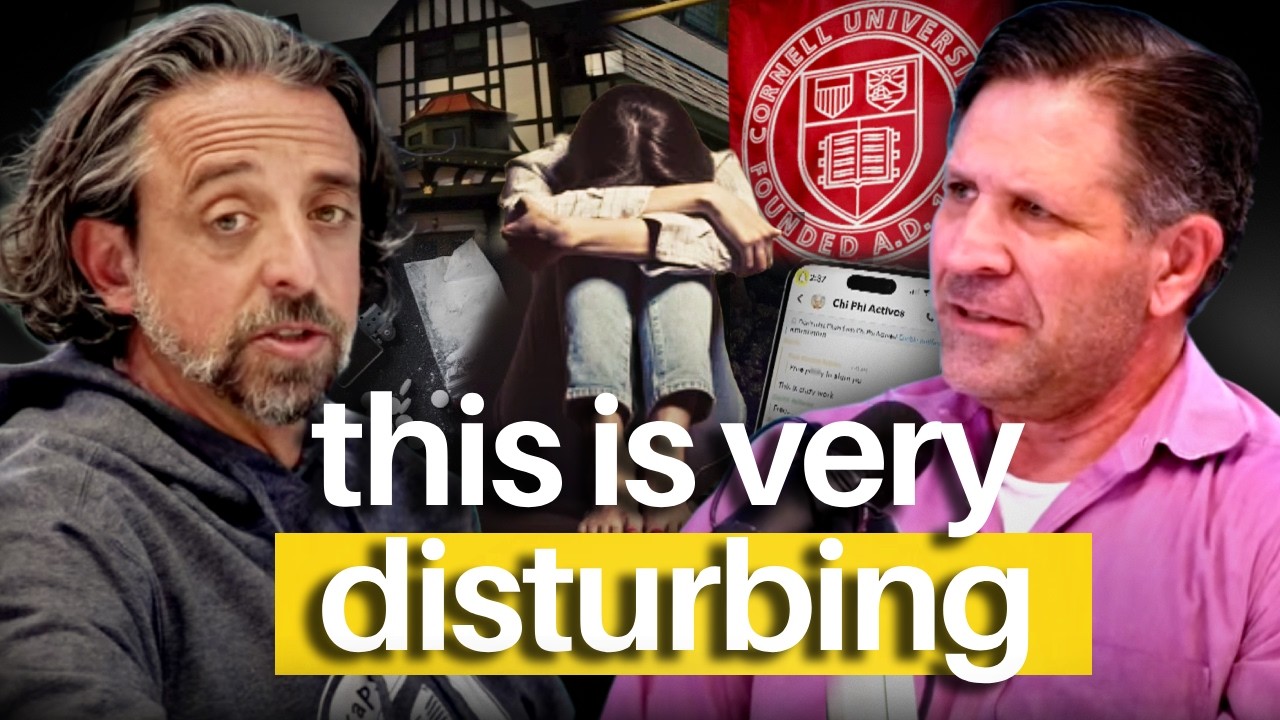
Sexual assault allegations tied to a Cornell University fraternity are now in civil court after the District Attorney declined to bring criminal charges. The lawsuit has drawn national attention, and so has the decision not to prosecute.
On Episode 92, the legal panel rebuilds the timeline from sworn statements and text messages, then walks through how New York law handles intoxication, consent and physical helplessness. Those definitions decide what a prosecutor believes can be proven at trial.
Why the two cases are not the same
A criminal conviction requires proof beyond a reasonable doubt. A civil plaintiff generally has to show that the claim is more likely true than not. That gap is why a case prosecutors pass on can still go forward in civil court, and why the panel spends real time on whether Cornell itself could be held liable.
The panel also compares the case to the Duke lacrosse prosecution and the special prosecutor that followed, a reminder of how much damage a rushed public verdict can do in either direction.
This brief summarizes reporting and analysis discussed on Two Taps and Friends. It is not legal advice.